Departement
Kragoplossings
765 produkte


 R34 171,20
 -38%
R602,70
 -45%
R723,45
 -44%
R1 206,45
 R53 128,95
 R332 062,50
 R696 727,50
 R688 273,95
 R997 393,95
 R937 018,95
 R667 746,45
 R1 183 348,95Rugsteunpakkette
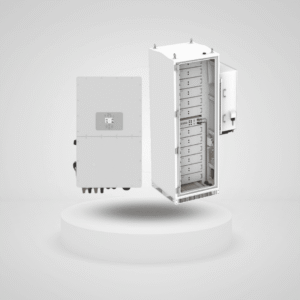
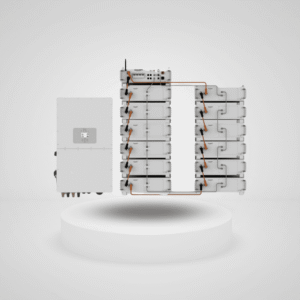
100kW SAJ 200kWh Battery Back Up System (All In One Units)
Gratis aflewering Voeg by R1 413 981,45
 -17%
R6 461,70
 R97 806,45
 R112 296,45
 R33 808,95
 R80 901,45
 R112 296,45
 R21 733,95
 R36 827,70
 -31%
R727,65
 -31%
R727,65
 R55 543,95
Generators, inverters, batteries, battery backup and UPS systems that keep pumps, cold rooms and the farmhouse running through load-shedding, sized from single-room backup to whole-farm standby.
Kragoplossings buying guide
Veldkraft lists 765 kragoplossings, priced from R1 to R8 166 321, from brands including Deye, Sunsynk, Must, Victron Energy. Orders are delivered to all nine provinces and to Namibia, Botswana, Zimbabwe, Mozambique, Lesotho and Eswatini.
Solar package, battery backup or generator?
Decide what must run and for how long. A solar system with panels, an inverter and batteries cuts grid use and carries the house through load-shedding. A battery backup system without panels charges from the grid and covers outages only. A generator runs as long as there is fuel and suits long outages and heavy loads. Inverters, batteries and panels are also sold separately.
Hybrid or off-grid inverter?
A hybrid inverter works with the grid, panels and batteries together and suits most homes with grid supply. An off-grid inverter runs without a grid connection, which suits farms, cabins and pump sites far from the lines. Packages are labelled this way, such as the 6kW Deye Hybrid 5.3kWh Solar Pack and the 6kW Deye Off Grid Cyclone F5 Pack Lite. Brands include Deye, Sunsynk, Solax, Growatt and Luxpower.
Size the inverter to your load
Inverter size in kW must cover everything running at once, with headroom for motors. Add up the watts of what you need in an outage, such as lights, fridge, Wi-Fi and a borehole pump. Pumps, fridges and compressors draw several times their running power at start-up, so check the surge rating. Homes usually run on 230 V single-phase; a 400 V three-phase supply needs a three-phase inverter.
Size the battery to your backup hours
Battery capacity in kWh sets how long you can run. Divide usable capacity by the load you draw in an outage to estimate hours, allowing for inverter losses, and check depth of discharge on the listing. Low-voltage batteries suit most home inverters, while high-voltage banks such as the Solax and Deye H/V packs need high-voltage inverters. Confirm the battery is on the inverter's compatibility list and uses the right communication cable.
Panels, mounting and protection
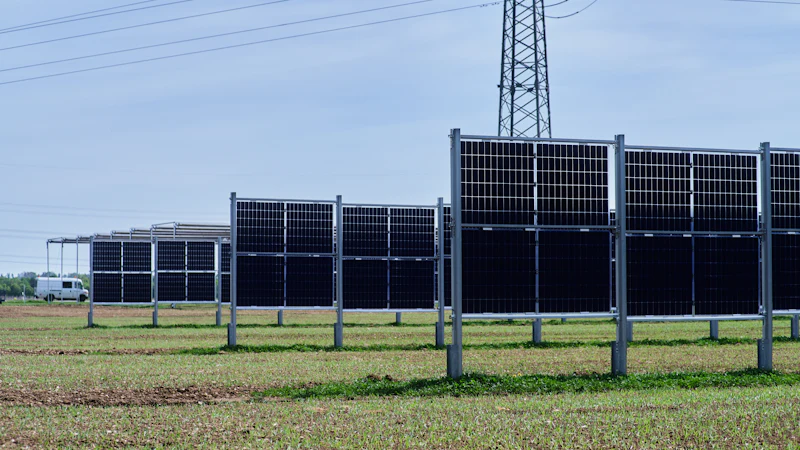
Panels set how much energy you harvest each day. Size the array to recharge the battery and carry daytime loads, within the inverter's MPPT voltage and current limits. Solar Panels includes bifacial panels and brands such as Canadian Solar. Mounting & Rails, Cabling & Connectors, and Protection & Switchgear supply the fixings, cables and protective devices. A registered electrician should connect the system and issue a certificate of compliance.
Generators for long outages
A diesel generator is the fallback when outages run long or loads are too heavy for batteries. Generators are rated in kVA, and usable kW is lower, so size for that and for start-up surge. Silent models such as the Perkins 20kVA Silent Three Phase Diesel Generator suit farmhouses and workshops. If your inverter has a generator input, the generator can charge batteries instead of running all day.
Portable, UPS and commercial systems
Not every need is a whole-house system. Portable & Flexible Solar suits camping and remote charging, a UPS keeps computers running through a switchover, and Generators & Solar Pumps covers solar water pumping. At the other end sit 30kW and 50kW Deye and Solax high-voltage packs and ATESS PCS bi-directional battery inverters of 500kW and 630kW for farms and businesses, which need professional design.
Kragoplossings: common questions
How much does a solar system cost in South Africa?
Veldkraft lists 765 power products, from connectors to complete solar packages, generators and commercial battery inverters, priced from R1 to R8 166 321. A home solar system's price depends mostly on inverter size in kW, battery capacity in kWh, the number of panels, and single-phase or three-phase supply.
What size solar system do I need for my house?
Work from your loads. Add up the watts of what must run in an outage to size the inverter, then multiply that load by the hours of backup you want to size the battery in kWh. Size the panels to recharge the battery and carry daytime use. Your electricity bill shows monthly kWh use.
Can I add batteries to my inverter later?
Often, if the inverter supports it and the battery is compatible. Check the inverter's battery voltage type, maximum battery capacity and compatibility list. Some batteries, such as the Solax Triple Power slave battery, stack with a master unit. Avoid mixing batteries of different makes or ages in one bank.
Is solar or a generator better for load-shedding?
For short, regular outages, solar with batteries or a battery backup system is quiet, cheap to run and switches over automatically. A generator suits long outages, heavy loads such as welders, and three-phase equipment, but needs fuel and maintenance. Many farms use both, with the generator as the fallback.
Do I need an electrician to connect solar power?
Yes, for anything wired into your distribution board. A registered electrician should connect it and issue a certificate of compliance. Grid-tied and hybrid systems may also need registering with your municipality, so check local rules first. Plug-and-play units that run from their own sockets don't connect to house wiring.
Need help choosing? Ask us and we reply within one working day.